How Witness Statements Help a Denver Bicycle Accident Lawyer Build Your Case
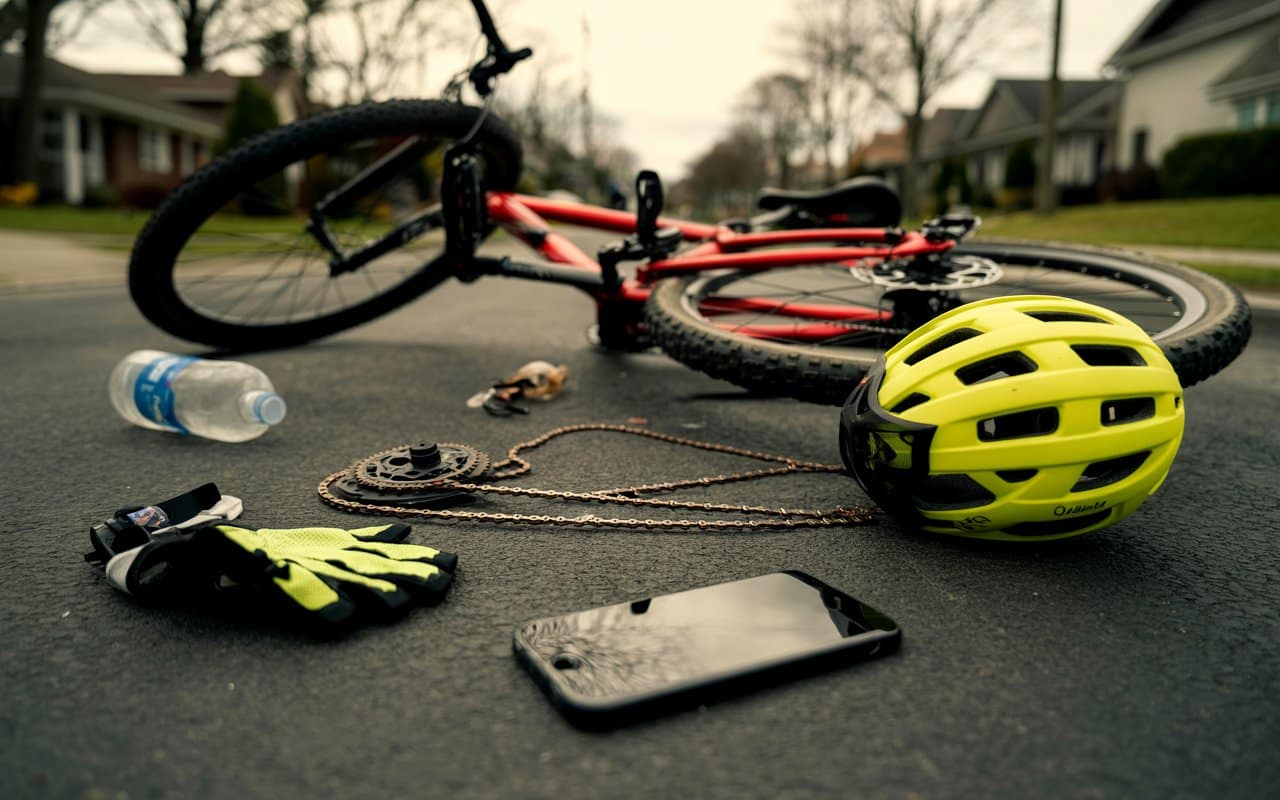
When a bicycle crash happens in Denver, the first version of events often comes from the people who were directly involved. The driver explains what they think happened. The cyclist describes the impact from their side. Police officers arrive after the fact and piece together a report from what they can observe in a short window of time. Useful as that may be, it rarely tells the whole story.
That gap matters more than many injured riders realize.
A witness statement can turn a disputed claim into a provable case. It can explain whether a driver drifted into a bike lane, rolled through a right turn without checking for a cyclist, opened a door into traffic, or sped through an intersection just before impact. It can also correct assumptions that hurt injured riders, especially the tired stereotype that cyclists are unpredictable or hard to see. For a Denver bicycle accident lawyer, a solid witness statement is often one of the most practical tools available to establish fault, strengthen negotiations, and prepare for trial if the insurance company refuses to deal fairly.
The value of that statement is not just that someone "saw something." It is that an independent observer can supply missing context, timing, distance, behavior, and credibility. In a bicycle case, those details often decide everything.
Why bicycle cases turn on details
Car crash claims can be contentious enough, but bicycle cases usually involve a different level of vulnerability. A person on a bike has no steel frame, no air bags, and no protection from direct impact with a vehicle or the pavement. Injuries tend to be more serious than insurers first acknowledge, and the facts are often easier to twist.
I have seen the same pattern play out across many traffic injury cases. The driver says the cyclist came out of nowhere. The cyclist, who may be in pain, medicated, or shaken, cannot recall every second with precision. There may be no dashcam footage, and the police report may rely heavily on whoever sounded more confident at the scene. In that setting, one clear witness can shift the entire posture of the claim.
Denver creates its own set of complications. Busy downtown corridors, painted bike lanes, protected lanes that begin and end abruptly, neighborhood streets with poor sightlines, and weather that changes quickly all affect how crashes happen. A collision on Speer Boulevard does not unfold the same way as one near a quiet residential block in Wash Park or on a mixed-use corridor in Capitol Hill. Witnesses help place the crash in its real environment rather than in the abstract language of an insurance file.
What a witness statement actually does
People sometimes imagine witness statements as dramatic courtroom evidence, but most of the time their power shows up much earlier. A well-documented statement helps a lawyer investigate liability, pressure the insurer, and test whether the defense story holds together.
If a witness Bicycle Accident Lawyer Denver says the driver made a fast right turn across a marked bike lane without signaling, that statement can support a theory of negligence before anyone ever files suit. If another witness says the cyclist had the right of way and visible bike lights at dusk, that may blunt a predictable argument that the rider was hard to see. If several witnesses describe the same sequence in similar terms, a lawyer gains something even more valuable than a sound bite. They gain consistency.
Consistency is what insurance adjusters look for when deciding whether to pay or fight. It is also what juries notice when deciding whom to believe.
A witness statement can support several core parts of a bicycle injury case:
- who had the right of way
- whether the driver was distracted, speeding, or aggressive
- where the cyclist was positioned before impact
- what happened immediately after the crash
- whether road, visibility, or traffic conditions affected the event
That is a short list, but each point can have outsized importance. A case may rise or fall on whether the cyclist was within the bike lane, whether a traffic light had changed, or whether the driver looked over their shoulder before turning. These are often second-by-second questions. Witnesses are frequently the only people who can answer them.
Independent accounts carry unusual weight
An injured cyclist has every right to tell their story, and a good lawyer will make sure that story is documented carefully. Still, insurers almost always discount statements from the claimant as "self-serving." They may do the same with statements from close friends or family members who were riding nearby. Fair or not, that is how many adjusters evaluate evidence.
Independent witnesses are different. A pedestrian waiting to cross, a delivery driver stopped at a light, a nearby motorist, or a person sitting at an outdoor cafe usually has no stake in the outcome. That gives their observations added force. They are not trying to recover compensation, avoid blame, or protect anyone. They are simply describing what they saw.
A seasoned Bicycle Accident Lawyer Denver clients trust will look closely at neutral witnesses for that reason. One independent account can break a stalemate where both sides accuse each other. Two or three independent accounts that line up on timing and conduct can transform a weak-looking case into a strong one.
This becomes especially important when the defense leans on common anti-cyclist assumptions. Some insurers still try to suggest that riders weave unpredictably, ignore signals, or take risks that ordinary drivers would never take. A neutral witness who says, "The cyclist was riding straight in the bike lane and the driver cut across them," is often far more persuasive than pages of argument from counsel.
The best witness statements are specific, not dramatic
The strongest witness statements are rarely emotional. They are concrete.
A useful witness may remember that the cyclist wore a bright yellow jacket, had a white front light flashing, and was traveling with traffic at an ordinary pace. They may recall that the driver accelerated to beat a light, glanced down toward a phone, or opened a door without looking. They may estimate that the cyclist was thrown about a car length after impact or that the driver stopped thirty to fifty feet beyond the point of collision.
Those details matter because they can be compared against other evidence. A lawyer can line up the witness account with skid marks, vehicle damage, body camera footage, surveillance video, GPS data, medical records, and the police diagram. When those pieces reinforce one another, the claim becomes harder to dismiss.
Vague statements do less work. "It happened really fast" is honest, but not very helpful by itself. "The SUV turned right from the travel lane across the bike lane just as the cyclist entered the intersection on a green" gives an investigator something to test.
That is why witness interviews should happen early and be handled carefully. Memory fades faster than most people think. A person may remember the event vividly on the day of the crash and then lose key timing details a week later. They may also absorb outside information, discuss the crash with others, or start second-guessing what they saw. Early documentation preserves the cleanest version of the account.
Timing can make or break the usefulness of a witness
In practice, some of the best witnesses are found within hours, not weeks. Someone who stopped to help at the scene may leave before officers gather full contact information. Another person may speak to police but not make it into the final report. Sometimes a business employee nearby saw everything but assumed no one needed their account. By the time an injured cyclist starts dealing with insurance calls, medical appointments, and missed work, the chance to gather those names may have passed.
That is one reason prompt legal help matters. A Denver bicycle accident lawyer is not waiting around for the insurance company to investigate thoroughly. The lawyer's team can contact known witnesses, identify nearby businesses with cameras, revisit the scene, and compare witness descriptions with physical evidence before it disappears.
A witness Bicycle Accident Lawyer Denver can also help preserve leads. Even if the person did not see the actual point of impact, they may remember a license plate fragment, a company logo on a vehicle, the direction the driver traveled afterward, or the presence of another witness who left before police arrived. In hit-and-run bicycle cases, those fragments can become essential.
When the police report is incomplete or wrong
People tend to treat the police report as final. It is important, but it is not infallible.
Officers often have limited time, incomplete information, and no direct view of the collision itself. They may arrive after the cyclist has been taken to the hospital. They may talk first to the driver, who is physically present and uninjured. They may not identify every witness, and in some cases they may summarize a witness too briefly to capture the point that matters most.
I have seen reports that omitted the existence of a marked bike lane, understated vehicle speed, or described the cyclist's location in a way that was simply too rough to be reliable. A witness statement can correct those gaps. It can also expose when the narrative in the report is based more on assumption than observation.
That does not mean every report is flawed. Many are thorough and careful. But when an insurer points to a report as if it settles the issue, witness evidence may be what reopens the discussion. A lawyer can use those statements to show that the report is only one piece of a larger factual record.
Witnesses often help with comparative fault arguments
Colorado follows a modified comparative negligence system, which means fault can be divided. In plain terms, the defense does not need to prove the cyclist caused the entire crash. It may be enough, from the insurer's perspective, to argue that the cyclist shares some portion of blame. That can reduce the value of the claim substantially, and if the cyclist is found to be 50 percent or more at fault, recovery may be barred.
This is where witness testimony frequently earns its keep.
Insurance companies commonly try to assign blame to riders by alleging lane positioning errors, poor visibility, sudden movement, failure to obey signals, or inattentiveness. Some of those arguments have merit in certain cases. Many do not. A witness can make the difference between a speculative accusation and a supported defense.
Suppose a driver claims the cyclist swerved left without warning. A nearby motorist might say the rider was holding a straight line to avoid a storm drain or parked car door zone. Suppose the insurer argues the rider had no lights at dawn. A witness may recall seeing both front and rear illumination. Suppose the defense says the cyclist entered the intersection against the signal. A pedestrian on the corner may confirm the walk signal was active, matching the rider's account.
These are not minor points. They go directly to how much compensation is available and whether a case settles or heads toward litigation.
Serious injuries make strong liability proof even more important
The more significant the injury, the harder insurers tend to scrutinize the facts. That sounds backwards, but it is common. When the medical bills are large, the lost wages are substantial, and the long-term effects include surgery, rehabilitation, chronic pain, or cognitive symptoms from a head injury, the carrier has more money at risk. With more exposure comes more resistance.
A witness statement becomes especially valuable in higher-damages cases because it helps lock down liability while the medical picture is still developing. If fault remains muddy, the insurer may use that uncertainty to discount every part of the claim. If liability is clear, the negotiation shifts where it belongs, toward the true cost of the injury.
For cyclists, those costs can be steep. Broken wrists and collarbones are common in falls over the handlebars. Lower extremity injuries can limit a person's ability to work, commute, or care for family. Even a rider who returns to cycling may deal with months of treatment, damaged gear, transportation disruption, and a lasting fear response in traffic. Witnesses do not prove damages by themselves, but they create the foundation that allows those damages to be valued seriously.
Good lawyers do not just collect statements, they test them
There is a practical point here that clients sometimes miss. Not every witness helps. Some people are confident but mistaken. Others saw only the aftermath. Some unconsciously fill gaps in memory. A skilled lawyer does more than gather names and stack up statements.
They compare each account for internal consistency. They ask where the witness was standing, what direction they faced, whether anything blocked their view, and how far away they were. They look for details that can be checked against objective evidence. They also watch for wording that sounds rehearsed or overly certain about things a person could not realistically observe.
That kind of judgment matters. A weak witness can create openings for the defense. A strong witness, properly prepared and accurately documented, can carry real weight in a demand package, a deposition, or at trial.
The process often looks something like this:
- identify and contact witnesses quickly
- record or memorialize their observations in detail
- compare those accounts with physical and digital evidence
- resolve contradictions early, if possible
- decide which statements truly strengthen the case
This careful approach is one reason experienced counsel matters in bicycle litigation. It is not enough to have witnesses. You need to know which evidence advances the case and which evidence may distract from the strongest theory of liability.
Real-world examples where witnesses change the outcome
Consider a classic right-hook collision. A cyclist proceeds straight in a bike lane while a driver overtakes and turns right across the cyclist's path. Drivers often say the cyclist was in a blind spot or traveling too fast. A witness stopped at the light may describe the entire sequence: the cyclist was visible for several seconds, the driver never signaled, and the turn cut off the rider abruptly. That statement can neutralize the blind-spot defense before it takes hold.
Dooring cases offer another example. Without a witness, insurers sometimes argue the cyclist rode too close to parked cars or could have avoided the door. A witness may explain that traffic conditions left little room, the door flew open suddenly, and there was no meaningful chance to react. That kind of account can be decisive because dooring incidents unfold in a split second.
Intersection cases are often even more dependent on witness proof. If both sides insist they had the light, the dispute may seem impossible to resolve. Yet a pedestrian waiting to cross may remember the sequence of signals clearly because they were watching for their own chance to move. A rideshare passenger may have seen the driver looking down moments before impact. A bus driver behind the scene may recall speed, lane position, and braking distance with unusual clarity because they monitor traffic professionally all day.
These cases are won in the details, not in broad accusations.
What injured cyclists should do if witnesses are present
A rider who is physically able after a crash should try to identify anyone who stopped and saw what happened. If possible, ask for a name, phone number, and email address. A quick photo of a license plate can help if the witness is another driver. If the rider is too injured to do that, a friend, family member, or bystander may be able to help.
There is also a simple but important point about tone. People are more likely to stay involved if they are treated respectfully and contacted promptly. A witness who gave information at the scene may ignore a vague call weeks later from an unknown number. They are more likely to respond when the outreach is professional, specific, and close in time to the event.
Cyclists should avoid coaching a witness or suggesting details. It is enough to ask what they saw and how to reach them later. Authenticity matters. An honest, imperfect account is far more useful than a polished one that sounds influenced.
Why this matters in settlement negotiations
Most bicycle injury claims resolve before trial, but that does not reduce the importance of witness evidence. Quite the opposite. Settlement value often depends on how the insurer predicts a jury would react if the dispute went to court. Strong witness testimony changes that prediction.
When an adjuster sees that a neutral witness supports the cyclist on right of way, visibility, and driver conduct, lowball tactics become riskier. When multiple witnesses align with physical evidence, the carrier has fewer places to hide. The file starts to look expensive to defend. That shift can lead to better offers, faster resolution, and less need for prolonged litigation.
A Bicycle Accident Lawyer Denver residents choose for serious injury claims is building that leverage from the outset. The goal is not to collect paper for its own sake. The goal is to create a factual record that makes denial difficult and underpayment costly.
The strongest cases are built early
By the time many people call a lawyer, they have already spoken with an insurer, received a copy of the police report, and assumed the key facts are locked in. Often they are not. Witnesses still need to be contacted. Scene evidence still needs to be preserved. Nearby cameras may still be available, but only briefly. The earlier that work begins, the better the chance of capturing what really happened.
For injured cyclists in Denver, witness statements are not a side issue. They are often the bridge between an upsetting story and a provable claim. They can confirm lane position, signal sequence, driver behavior, visibility, speed, and post-collision conduct. They can rebut unfair blame and strengthen the case long before trial becomes necessary.
When the crash leaves behind serious injuries, disputed facts, and an insurer looking for reasons to pay less, that independent voice can be one of the most powerful pieces of evidence in the file.
CGH Injury Lawyers
Address: 2701 Lawrence St Ste 201, Denver, CO 80205
Phone number: +17206698062
FAQ About Bicycle Accident Lawyer Denver
How much compensation for a cycling accident?
UK bicycle accident compensation payouts typically range from £2,000 for minor soft-tissue injuries to over £200,000 for severe, life-altering trauma, calculated using Cycle Accident Compensation Calculator tools.
Who is at fault if a car hits a bicycle?
Fault in a car-and-bicycle collision depends on the specific actions of both parties and whether either person was negligent by breaking traffic laws.
What percentage do accident attorneys usually take?
Accident attorneys usually take 33% to 40% of your final settlement or court award.