Bicycle Accident Lawyer Advice for Hit-and-Run Cases
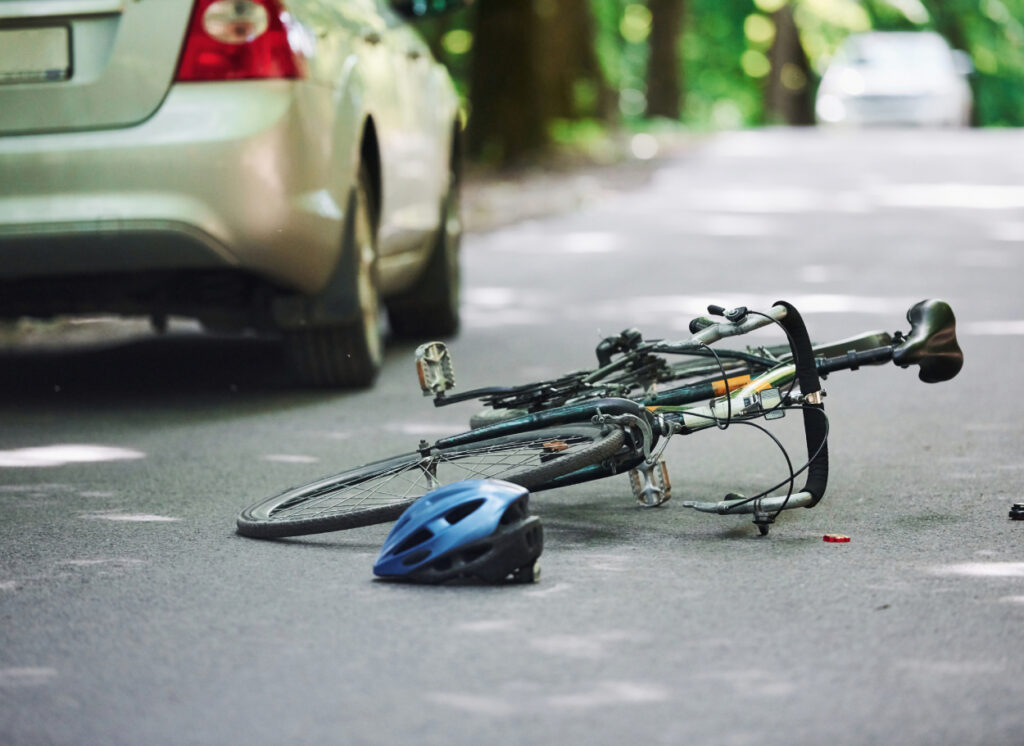
A hit-and-run bicycle crash creates a different kind of injury case. The physical harm can be serious enough on its own, but the missing driver changes everything. Evidence disappears faster. Witness memories fade. Insurance companies become more skeptical. The injured rider is left trying to prove not only the extent of the injuries, but that a motorist actually caused them and fled.
That gap between what happened and what can be proven is where many cases are won or lost.
A Bicycle Accident Lawyer looking at a hit-and-run claim starts from a practical reality: the driver may never be identified, but the case still may be viable. In some matters, the motorist is found within days because a nearby camera captured a plate, a witness remembered a partial tag, or vehicle debris narrowed the make and model. In others, the claim proceeds through uninsured motorist coverage, a homeowner policy issue, medical payments coverage, or another insurance path the rider did not realize existed. The legal work is not just filing paperwork. It is building a reliable account of the collision before the evidence goes cold.
Why hit-and-run bicycle cases are harder than ordinary crashes
When a driver stays at the scene, there is usually a basic exchange of information, an officer can document vehicle details, and an insurer can open a bodily injury claim quickly. In a hit-and-run, the rider often ends up with none of that. If the cyclist lost consciousness, the first coherent memory may be the emergency room. Even when the rider remains alert, the adrenaline surge makes it hard to remember details accurately. Many people can describe the color of the car but not the plate, the sound of the impact but not the direction the vehicle fled.
That uncertainty is not unusual. It is exactly why the first few days matter so much.
A lawyer with experience in bicycle cases knows that hit-and-run claims are often built from fragments. A bent fork can reveal the angle of impact. A torn jersey may show whether the rider rolled over the hood or was sideswiped. Scrape marks on a helmet can match contact points on the road. Surveillance footage from a gas station a block away may show a damaged passenger-side mirror 90 seconds after the collision. None of those details alone proves the full case. Together, they often do.
There is also a credibility issue that comes up more often than people expect. If there is no identified driver, some insurers look for ways to classify the event as a solo fall rather than a motor vehicle collision. That can sharply affect coverage. A rider who says, “I swerved because a car pushed into the bike lane and I went down,” may still have a valid claim, but it must be documented carefully. The phrasing used in the first medical record, the police report, and the insurance notice can make a meaningful difference later.
The first hours after the crash can shape the entire claim
The most useful advice is also the least glamorous: get medical care, then preserve everything. A hit-and-run case rarely improves with time unless someone acts quickly.
If the rider is physically able, the scene should be documented before the bicycle is moved too far or repaired. Photographs should include the roadway, lane markings, skid patterns, broken parts, nearby businesses, traffic signals, and any debris that may have come from the vehicle. One mirror cap or a fragment of headlight housing can become the key to identifying the car. Police sometimes collect that evidence, but not always. In a busy city, officers may focus first on traffic control and the rider’s safety.
Witnesses are often more valuable than people assume, especially in urban collisions. A witness who says, “I did not see the initial contact, but I saw a dark SUV speed away with front-end damage,” can help corroborate the rider’s account. Another witness may have dash camera footage they do not realize is useful. People leave scenes quickly. By the next day, they can be very hard to find.
A Bicycle Accident Lawyer usually wants to know whether the rider, a family member, or a friend can return to the area quickly to canvas local businesses for cameras. Many commercial systems overwrite footage in a matter of days, and some in less than 48 hours. That is one of the most common missed opportunities in hit-and-run matters. People assume the police will gather all video automatically. Sometimes they do. Sometimes they have neither the staffing nor the time.
What to do in the first 72 hours
The first three days often determine whether a hit-and-run case remains speculative or becomes provable.
- Report the collision to police and make sure the report clearly states that a motor vehicle was involved and left the scene.
- Get prompt medical evaluation, even if the pain feels manageable at first, because concussions, wrist fractures, and soft tissue injuries often worsen after the adrenaline fades.
- Preserve the bicycle, helmet, clothing, lights, and any broken parts exactly as they are, without repairs or cleaning.
- Identify cameras nearby, including homes, stores, parking garages, buses, and traffic intersections, and request preservation of video immediately.
- Notify your own auto insurer if you have one, because uninsured motorist or related coverage may apply even though you were on a bike.
That last point surprises many cyclists. People often think auto insurance only matters when they are inside a car. In many states and under many policies, that is not true. A rider struck while cycling may be covered under the uninsured motorist provisions of their own policy, a resident relative’s policy, or another policy tied to the household. Coverage rules vary by jurisdiction and policy language, which is why early review matters.
Medical records can help, or hurt, before the legal claim even starts
Doctors and nurses are focused on treatment, not litigation. Still, what enters the chart may become central evidence later. A rider who simply says, “I fell off my bike,” may unintentionally create a problem if the fuller truth is that a vehicle forced the crash. That does not mean anyone should script a medical visit. It means the mechanism of injury should be described accurately and plainly.
A useful, honest description often sounds like this: “I was riding in the bike lane when a car came into my path, made contact with me or forced me off course, and the driver left.” If the rider does not remember direct contact, that should be stated too. Precision matters. Saying more than you know can create impeachment issues later. Saying less than happened can undermine coverage.
Certain injuries recur in hit-and-run bicycle cases with striking regularity. Clavicle fractures, wrist fractures, facial lacerations, knee trauma, road rash with embedded debris, and mild traumatic brain injuries are common. Concussions deserve special attention because they are frequently underdiagnosed in the first day or two. A rider may feel embarrassed, foggy, irritable, or exhausted without realizing those symptoms are clinically important. Memory gaps are especially common after a violent ejection.
From a legal standpoint, treatment gaps are also important. Insurers often argue that if someone missed follow-up appointments or delayed physical therapy, the injuries could not have been that serious. Real life is more complicated. People miss visits because they cannot drive, cannot afford time off work, or are dealing with childcare. A good lawyer does not merely note those issues. The lawyer documents them so the record reflects the practical barriers.
If the driver is not found, the case may still have value
This is where many injured cyclists give up too early. They assume that if no one identifies the fleeing driver, there is no case. Often there is still a claim, but it follows a different path.
Uninsured motorist coverage is a common source of recovery in hit-and-run bicycle matters. In many states, a hit-and-run vehicle is treated like an uninsured vehicle for coverage purposes, though exact requirements vary. Some policies demand prompt notice. Some require proof of physical contact, while others recognize miss-and-run scenarios if there is independent corroboration. A rider who crashes while avoiding a car that invades the bike lane may have a valid claim, but proving it can be more demanding than in a direct-impact case.
There are also edge cases that people miss. A commercial vehicle may be traceable through route records, fleet GPS, or business surveillance. A rideshare driver may have been logged into a platform. A municipal bus camera may capture the fleeing car even if no private camera does. A parked car owner across the street may discover impact marks from the suspect vehicle and become a later witness. In one kind of scenario that comes up more than expected, the driver returns to a repair shop within a day or two with fresh front-end damage and a story that does not quite fit. That is why vehicle part identification can matter so much.
Even where coverage exists, the insurer will not simply accept every allegation at face value. They will ask whether a motor vehicle truly caused the event, whether the rider was visible, whether traffic laws were followed, whether speed played a role, and whether some of the treatment was unrelated or excessive. Those are predictable defenses, and they can be addressed, but only if the file is built carefully from the outset.
Evidence that tends to move these cases forward
Not all evidence carries the same weight. Some categories consistently make a difference because they are difficult to fake and easy to connect to the timeline.
- Scene photographs showing point of rest, lane position, debris, and damage patterns
- Helmet, bicycle, and clothing damage preserved in original condition
- Witness statements taken early, while memory is still fresh
- Surveillance or dash camera footage from the surrounding area
- Prompt insurance notice and medical records that describe a fleeing vehicle
One thing worth stressing is that “independent evidence” does not always mean dramatic footage of the exact impact. A camera that catches a damaged sedan speeding away one block later may still be highly valuable when matched with time stamps, witness accounts, and physical evidence from the scene.
Phone data can also matter. Cyclists often use fitness apps, GPS devices, smart watches, or handlebar computers. Those records can establish route, speed, sudden stoppage, and time of impact. They do not prove fault by themselves, but they can tighten the chronology. If the rider sent a text or call immediately after the crash saying a driver hit them and fled, that can also support the consistency of the account.
The insurance issues that catch cyclists off guard
People are often prepared for the medical problem, not the coverage problem. A Bicycle Accident Lawyer spends a lot of time sorting through policy language because hit-and-run claims live or die on details that seem small until they are not.
One frequent issue is late notice. An injured rider may spend two or three weeks focused on surgery, pain control, and getting back home before anyone https://trentongpng968.brightsora.com/posts/how-a-bicycle-accident-lawyer-protects-your-rights-from-day-one thinks to call the auto insurer. Some policies are forgiving if the delay is reasonable. Others become more difficult. The insurer may say it lost the chance to investigate promptly. That argument is stronger when video has already been overwritten or the bicycle has already been repaired.
Another issue is recorded statements. Insurers often request one early, sometimes before the rider understands the medical prognosis or remembers the crash clearly. A person with a concussion may sound uncertain or inconsistent for perfectly legitimate reasons. Those early statements can later be used to minimize the claim. That does not mean every statement should be refused, but it does mean the rider should understand the purpose and the stakes before agreeing.
There is also the question of settlement timing. Cyclists with fractures may improve significantly in three to six months. Cyclists with head injuries or shoulder injuries may not. Settling too early can be a costly mistake if future treatment, reduced work capacity, or chronic pain is still unclear. At the same time, waiting forever is not a strategy. Cases need enough medical development to be valued responsibly, but they also need momentum.
Comparative fault is common, and it is not the end of the case
Drivers who flee create a strong instinctive reaction in judges, juries, and insurers. People know that innocent motorists generally do not run. Even so, insurers will still look for rider fault.
They may argue the cyclist was outside the bike lane, lacked lights, moved unpredictably, ran a signal, or wore dark clothing. Some of those facts may matter. Some may be overstated. The legal effect depends heavily on state law and the actual mechanics of the crash. A rider can make a mistake and still have a strong claim if the driver’s conduct was the primary cause.
This is where careful case analysis matters more than moral certainty. Suppose a cyclist is riding at dusk without a front light and a driver turns across the bike lane, striking the rider and then fleeing. The missing light may be an argument the insurer uses to reduce value, but it does not erase the driver’s duty to yield and remain at the scene. Likewise, if a rider drifts slightly outside a designated bike lane to avoid road debris and is sideswiped, that fact belongs in the analysis, not buried from it. The strongest claims are often the ones presented with candor and context.
When a lawyer should be involved
Not every bicycle fall needs legal representation. Hit-and-run cases are different. The combination of missing driver, fragile evidence, and layered insurance issues creates real risk early.
A lawyer is particularly helpful when the injuries are significant, the insurer is disputing whether a car was involved, there may be uninsured motorist coverage, or the police investigation has stalled. The attorney can send preservation letters, coordinate inspection of the bicycle and helmet, obtain body camera or dispatch records, and press for video before it vanishes. In serious injury cases, counsel may also work with accident reconstruction experts or vehicle part identification specialists when the facts justify that expense.
Timing matters here too. Clients sometimes call after the bike has been repaired, the helmet has been thrown out, the lane has been repainted, and every nearby camera has overwritten its footage. A case may still survive, but it is harder. The earlier the file is organized, the more options remain available.
A seasoned Bicycle Accident Lawyer also helps with a quieter part of the process: protecting the client from the administrative drift that can wear down a good claim. Health insurers may assert liens. Short-term disability paperwork may conflict with medical charting. Employers may need work restrictions clarified. The legal case does not unfold in isolation from the rest of a person’s life.
A realistic view of compensation
People often want a simple average settlement figure. There is no reliable one that means much in practice, especially in hit-and-run bicycle cases. Value turns on injury severity, recovery timeline, insurance limits, available coverage, fault allocation, wage loss, and the quality of the evidence proving motor vehicle involvement.
A collarbone fracture treated without surgery is a very different case from a traumatic brain injury with months of cognitive symptoms. A rider with high uninsured motorist limits may have a substantial avenue for recovery. Another rider with minimal coverage and no identified defendant may face a harder ceiling, even with serious injuries. That is not a moral judgment. It is the arithmetic of insurance.
What can be said with confidence is that documentation usually affects value more than injured cyclists expect. Clear photographs, consistent medical histories, preserved equipment, timely reporting, and credible witness support often make the difference between a disputed nuisance claim and a serious insurance exposure.
The practical mindset that helps most after a hit-and-run
After the shock wears off, many riders become fixated on one question: will they find the driver? It is understandable, but it can narrow the focus too much. The better question is: how do we preserve the strongest possible case, whether the driver is found or not?
That mindset changes behavior. It leads people to save the torn jacket rather than wash it, to photograph the cracked helmet before replacing it, to ask the corner market about video the same day rather than next week, and to notify the correct insurer before a notice deadline becomes a fight. It also keeps expectations grounded. Some drivers are identified. Some never are. Good legal work plans for both possibilities from the beginning.
For injured cyclists, the main mistake is assuming uncertainty means weakness. In hit-and-run cases, uncertainty is normal at the start. The job is to reduce it quickly, piece by piece, until the claim rests on evidence rather than outrage alone. Outrage is understandable. Evidence gets results.
CGH Injury Lawyers
2701 Lawrence St Suite 201
Denver, CO 80205, United States
Phone: +1 720-669-8062
FAQ About Bicycle Accident Lawyer
Who is at fault if a car hits a bicycle?
Fault depends on the evidence and the traffic rules that applied to the collision. A driver, cyclist, or another party may share responsibility. Police reports, witness accounts, video, and the physical evidence can help establish what happened. A collision with a car does not automatically determine legal fault.
Can you sue someone for hitting you on a bike?
You may have a claim when another person's negligent conduct causes your injuries and losses. The available evidence, applicable deadlines, insurance coverage, and any shared fault affect your options. A lawyer can review the circumstances and explain whether an insurance claim or lawsuit is appropriate; compensation is not guaranteed.
What percentage does an injury lawyer usually take?
There is no single percentage that applies to every injury case. Many lawyers use a contingency fee based on a share of the recovery, with the terms stated in a written agreement. Ask how the percentage is calculated, whether it changes during litigation, and how case expenses are handled before signing.